


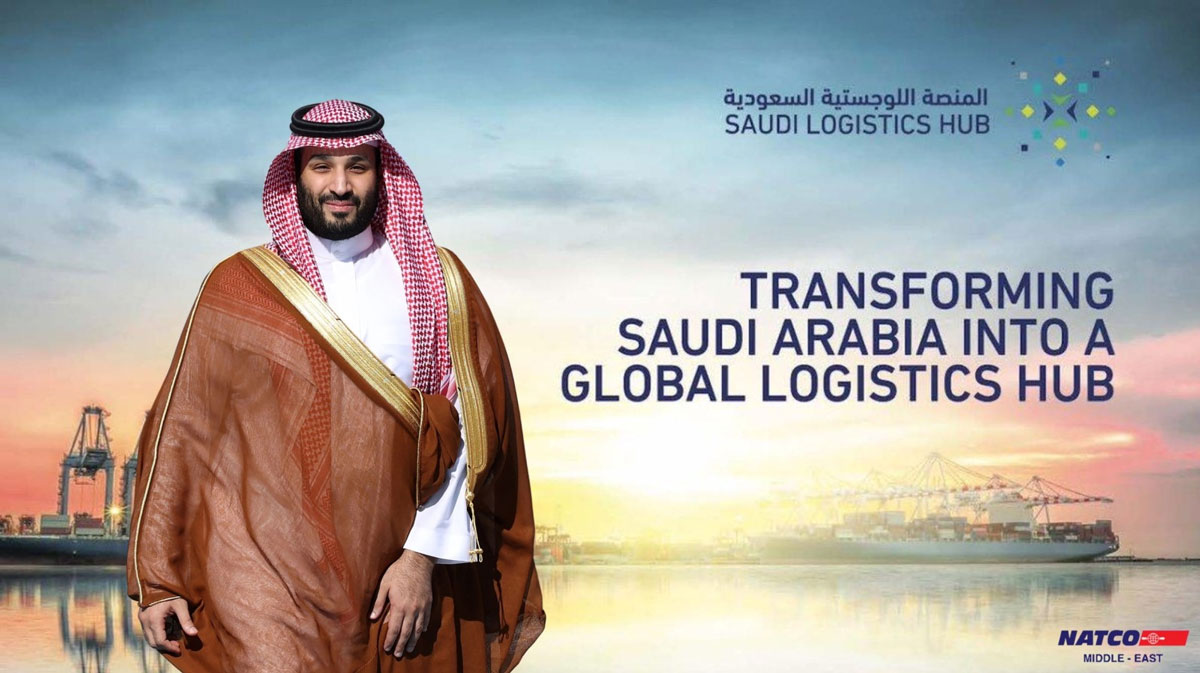
Saudi Arabia’s Vision 2030 Drives Logistics and Supply Chain Transformation
As Saudi Arabia pushes forward with its ambitious Vision 2030, the country’s logistics and supply chain sector is undergoing a significant transformation. The Vision 2030 framework aims to diversify the nation’s economy by establishing Saudi Arabia as a global logistics hub, connecting three continents and enhancing the country’s infrastructure.
Key Developments in Logistics Infrastructure
The Global Supply Chain Resilience Initiative (GSCRI), launched in 2024, plays a pivotal role in achieving this vision. The initiative focuses on attracting strategic investments in logistics infrastructure and increasing the country’s capacity to handle global trade. This includes expanding existing ports, building advanced warehousing facilities, and developing smart logistics solutions.
Additionally, Saudi Arabia recently hosted the Logistics Leaders Saudi 2024 event, which brought together industry professionals to discuss innovative strategies for supply chain resilience. The discussions centered around leveraging cutting-edge technologies such as artificial intelligence (AI) and big data analytics to streamline logistics operations and improve efficiency.
Sustainability and Technological Innovation
The Kingdom is also prioritizing sustainability in its logistics practices, aligning with global trends to adopt green logistics initiatives. As part of Vision 2030, companies are being encouraged to invest in eco-friendly technologies, optimize fuel consumption, and reduce their carbon footprint.
At the heart of this transformation is the focus on enhancing supply chain resilience. The Logistics Leaders Saudi event highlighted the importance of building robust supply chains that can withstand global disruptions and ensure a steady flow of goods across the region.
A Future-Ready Logistics Ecosystem
Saudi Arabia’s push to establish itself as a logistics powerhouse is well underway. With key investments and strategic initiatives, the Kingdom aims to lead the Middle East’s logistics landscape by improving connectivity, embracing new technologies, and building sustainable practices.
This transformation aligns with Saudi Arabia’s goal to become a top 15 global economy by 2030, attracting international businesses and fostering economic growth through a future-ready logistics ecosystem.